ABA Family Training at Home: A Complete Guide
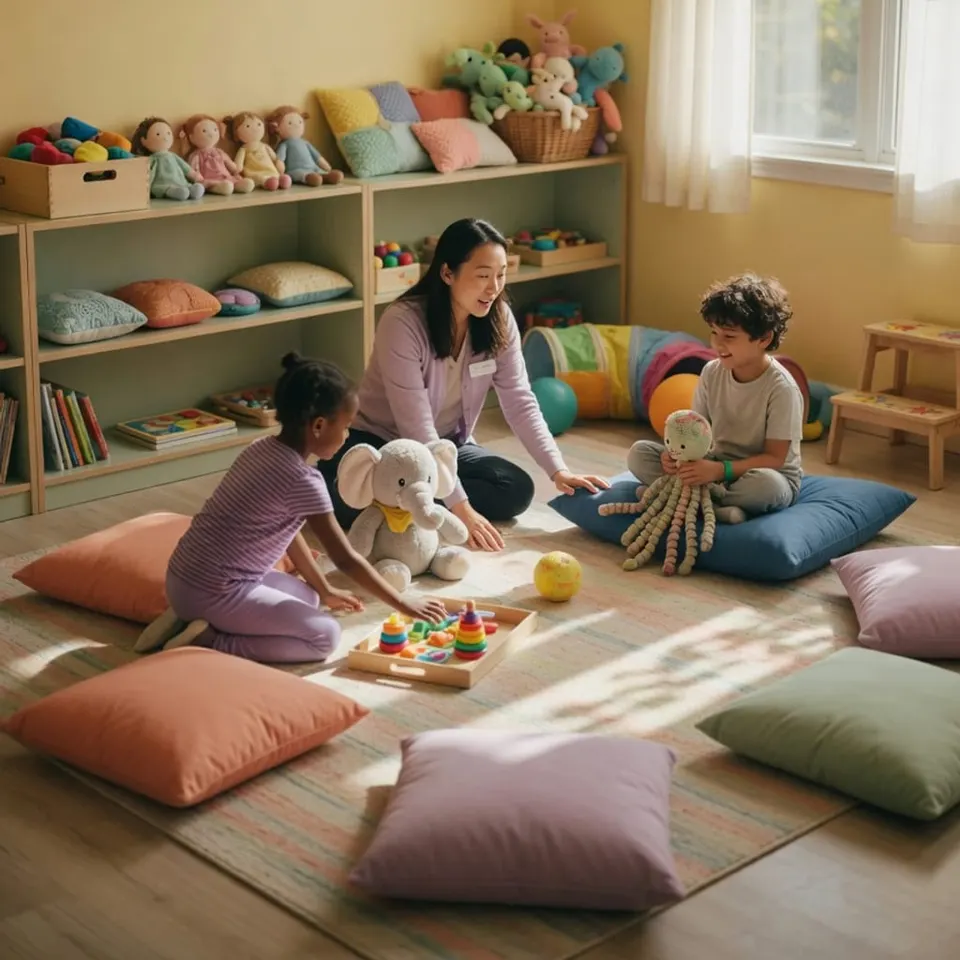
In short: ABA family training (or parent training) teaches caregivers how to apply applied behavior analysis techniques in daily routines at home. A Board Certified Behavior Analyst (BCBA) designs a personalized plan, often covered by insurance or Medicaid, to foster communication, independence, and reduce challenging behaviors. This comprehensive guide explains what to expect, how to get started, and how our free service matches you with a trusted, vetted ABA provider.
Key takeaways
- ABA family training empowers parents with evidence-based strategies to support their child in everyday settings.
- A BCBA creates a tailored plan focused on communication, daily living skills, and reducing challenging behaviors.
- Most private insurance plans, including Medicaid, cover ABA parent training; copays vary.
- Consistency and practice between sessions are key to long-term skill building.
What Is ABA Family Training at Home?
ABA family training, often called parent training or caregiver training, is a core component of applied behavior analysis therapy. Rather than only delivering therapy directly to the child, a Board Certified Behavior Analyst (BCBA) works with parents and guardians to teach them the principles and techniques of ABA. These sessions take place in your home, making strategies immediately applicable to your family's routines.
The goal is to help you feel confident reinforcing positive behaviors, teaching new skills, and addressing challenges like tantrums, toileting, or daily transitions. You become an active partner in your child's progress, with the BCBA guiding you step by step.
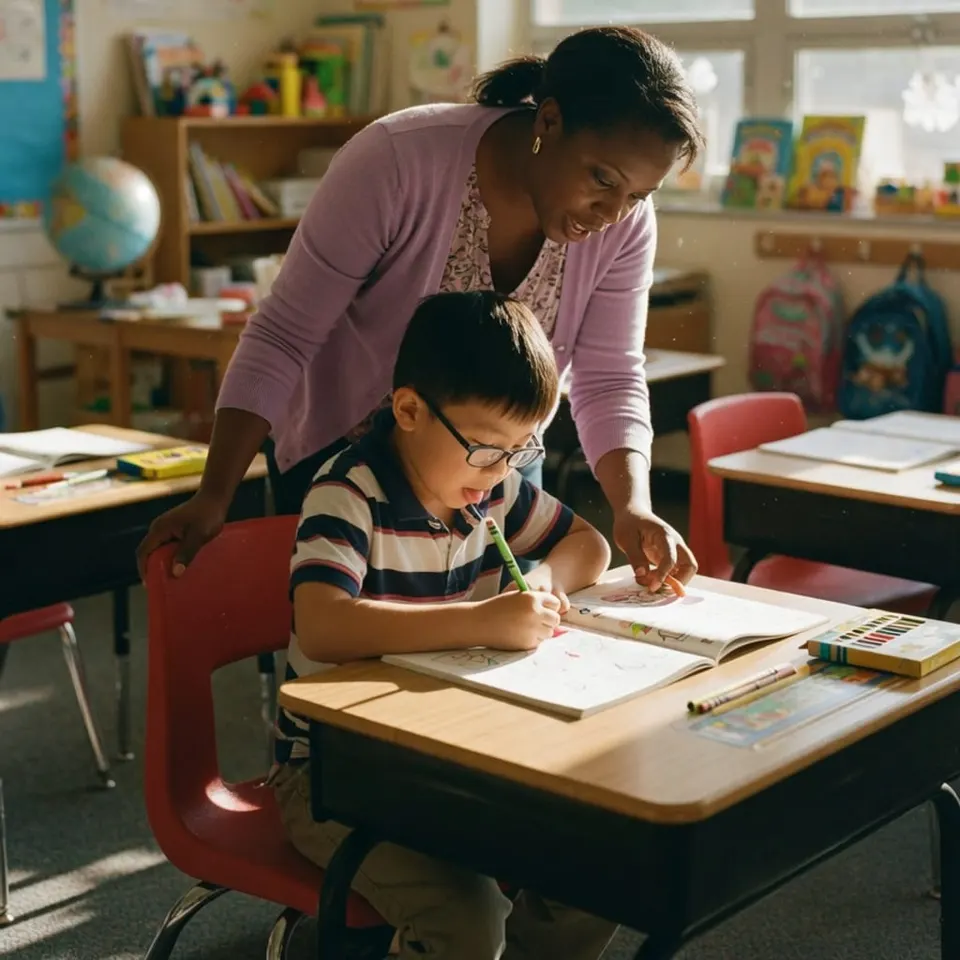
🔗 Related reading: ABA Therapy for Teens: What Parents Need to Know · Local ABA Therapy
Why Choose ABA Family Training Instead of Clinic-Only Therapy?
Natural Learning Environment
Home is where children spend most of their time. By practicing in the actual setting where behaviors occur, skills generalize more quickly. Your child learns to communicate requests at the dinner table, follow morning routines, and manage transitions with your direct support.
Empowerment for Parents
When you understand the 'why' behind a strategy, you can adapt it as your child grows. ABA training gives you a toolkit that reduces feelings of helplessness and increases confidence. Many parents report lower stress levels once they have clear, proven methods to use.
Flexible Scheduling
Clinic appointments can be rigid. In-home training fits around your family's schedule-evenings, weekends, or nap times. This flexibility is especially valuable for working parents or families with multiple children.
What Does an ABA Family Training Session Look Like?
Initial Assessment and Goal Setting
The BCBA will first observe your child in your home and talk with you about your priorities. They may use tools like the Vineland Adaptive Behavior Scales or the Verbal Behavior Milestones Assessment (VB-MAPP) to identify skill gaps. Together, you set 3-5 measurable goals-for example, 'Child will use a picture card to request a snack independently in 4 out of 5 opportunities.'
Teaching and Coaching
During a typical 60-90 minute session, the BCBA models a technique (such as prompting, reinforcement, or shaping) while you watch. Then you practice with your child while the BCBA gives real-time feedback. Sessions are recorded or documented so you can review steps later.
Data Collection and Review
You'll learn to take simple data-like how many times your child uses a new word or complies with a request. The BCBA analyzes this data to adjust the plan. Progress meetings occur every 2-4 weeks to discuss what's working.

🔗 Related reading: Cupertino ABA Therapy Services: A Parent's Guide · Local ABA Therapy
Common Skills Taught in ABA Family Training
- Communication: Using words, signs, or AAC devices to make requests, comment, and protest.
- Daily living skills: Dressing, toothbrushing, feeding, and toilet training.
- Play and social skills: Turn-taking, parallel play, and initiating interaction with siblings.
- Reducing challenging behavior: Identifying triggers and using antecedent-based interventions or functional communication training.
- Compliance and transitions: Following simple instructions and moving between activities with fewer meltdowns.
Cost, Insurance, and Medicaid Coverage
The cost of ABA family training varies widely, but many families pay nothing out of pocket. Most private insurance plans cover ABA therapy, including parent training, under behavioral health benefits. Medicaid, through each state's Early and Periodic Screening, Diagnostic and Treatment (EPSDT) benefit, also covers ABA for eligible children. Copays or deductibles depend on your specific plan.
Important: Some insurance requires a formal diagnosis of autism spectrum disorder (ASD) for coverage. Check with your provider about prior authorization requirements. Our free service helps you find a BCBA-led provider who can assist with verifying your benefits.

How to Get Started with ABA Family Training
Find a Vetted Provider
Once you're ready to begin, you'll need a qualified ABA provider. Trusted ABA Therapy is a free matching service that connects families with vetted, BCBA-led agencies in your area. We consider your insurance, location, and scheduling needs. Simply fill out a short form, and we'll send you a list of providers to choose from.
Prepare for Your First Session
Before the BCBA arrives, jot down 2-3 behaviors or skills you'd like help with. Have a quiet space where the session can happen without distractions. Involve all caregivers-spouse, grandparents, or nannies-so everyone learns the same approach.
5 Mistakes Parents Often Make (And How to Avoid Them)
- Skipping data collection: Data drives decisions. Even a quick tally on a sticky note is better than guessing.
- Expecting overnight results: Behavior change takes time. Celebrate small wins and stay consistent.
- Not practicing between sessions: The more you use the techniques in daily moments, the faster your child learns.
- Forgetting to reinforce yourself: Parenting is hard. Give yourself credit for showing up and learning.
- Going it alone: Join local or online parent support groups. Sharing experiences with others who understand reduces isolation.
Putting It All Together: Make ABA Work for Your Family
ABA family training at home is not just a set of strategies-it's a partnership between you, your child, and a skilled professional. By learning the methods in the environment where your child lives and plays, you set the stage for lasting progress. Whether it's helping your child say their first words or navigate a grocery store calmly, each session builds your confidence and your child's independence.
Remember, you don't have to figure this out alone. Trusted ABA Therapy is here to help you find a BCBA-led provider that fits your family's needs and coverage. Our service is free, and we only recommend agencies we have thoroughly vetted for quality and compassion. Start your journey today by contacting us for a personalized match.