ABA Therapy: A Parent's Complete Guide

In short: ABA (Applied Behavior Analysis) therapy is a scientifically backed approach that uses positive reinforcement to teach new skills and reduce challenging behaviors, often covered by insurance and Medicaid. A Board Certified Behavior Analyst (BCBA) designs and oversees the program, which is tailored to each child's unique needs.
Key takeaways
- ABA therapy is evidence-based and personalized, focusing on increasing helpful behaviors and decreasing harmful ones.
- A BCBA (Board Certified Behavior Analyst) leads the therapy, designing and supervising the plan.
- ABA is commonly covered by private insurance and state Medicaid programs like Early and Periodic Screening, Diagnostic and Treatment (EPSDT).
- Therapy is often delivered in home, school, clinic, or community settings depending on the child's needs.
Find your child's ABA provider
About 60 seconds · free & confidential
- ✓ Vetted, BCBA-led providers
- ✓ In-home, center & telehealth
- ✓ No obligation, ever
What is ABA Therapy? A Simple Explanation
Applied Behavior Analysis (ABA) is a therapy based on the science of learning and behavior. It focuses on understanding how behavior works in real-world situations. The goal is to increase behaviors that are helpful (like communication, social skills, and daily living tasks) and decrease behaviors that are harmful or interfere with learning (like aggression, self-injury, or severe tantrums).
ABA is not a one-size-fits-all approach. A qualified BCBA (Board Certified Behavior Analyst) conducts an initial assessment to understand your child's strengths, challenges, and preferences. Then, they design a personalized plan that breaks down skills into small, teachable steps. Positive reinforcement is used to encourage progress, and data is collected every session to track what works and adjust as needed.
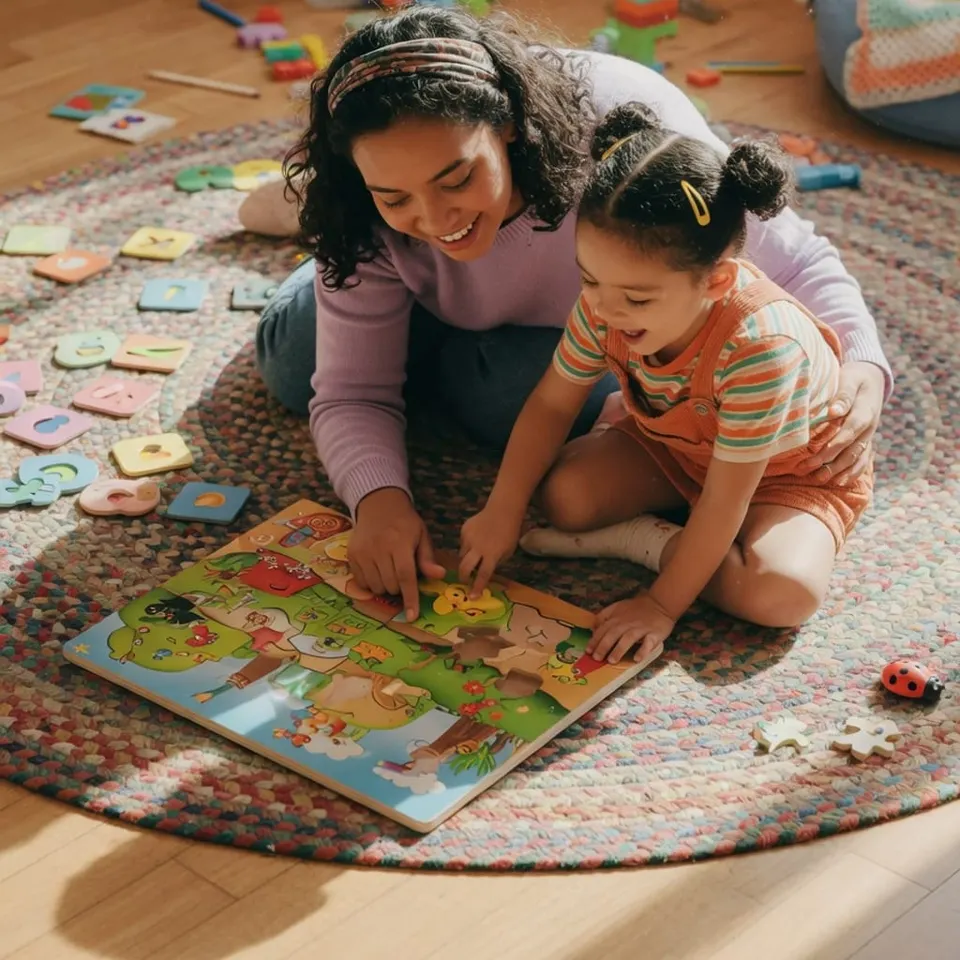
Many families worry that ABA is rigid or robotic. Modern, compassionate ABA is child-led, play-based, and focused on building meaningful skills for independence and happiness. It respects neurodiversity and works alongside your child's natural interests.

🔗 Related reading: ABA for Sudden Autism Regression in 9-Year-Olds · Local ABA Therapy
How Does ABA Therapy Work?
Assessment and Goal Setting
The process always starts with a thorough assessment. The BCBA will meet with you, observe your child in different settings (home, school, or clinic), and use tools like the VB-MAPP or ABLLS-R to identify skill gaps. Together, you'll set goals that matter to your family-like requesting a snack, making eye contact, or learning to wait in line.
Teaching Strategies
ABA uses several proven teaching methods:
- Discrete Trial Training (DTT): Breaking a skill into small steps and teaching them one at a time with repetition and reinforcement.
- Natural Environment Teaching (NET): Teaching skills in the moment, during everyday activities like playing or eating.
- Pivotal Response Training (PRT): Focusing on key areas like motivation and self-management that create widespread improvements.
- Verbal Behavior Therapy (VBT): Teaching language by understanding its function-requesting, labeling, and conversing.
Data Collection and Adjustment
Every session, the therapist records data on the child's responses. The BCBA reviews this data regularly to see what's working and what needs tweaking. This ensures therapy is always effective and efficient.
Looking for ABA therapy for your child? We match families with vetted, BCBA-led providers near you.
Get matched freeWhat to Expect in an ABA Therapy Session
A typical session might look different depending on the setting:
- In-home: A therapist comes to your home and works with your child during daily routines-like mealtime, playtime, or getting dressed. You'll be encouraged to participate and learn strategies.
- Center-based: Your child goes to a clinic with structured activities, peer interaction, and a team of therapists. This can be great for social skills and intensive learning.
- School or community: Therapy happens in the classroom, park, or store to practice skills in real-world settings.
Sessions often include a mix of structured teaching (like table work) and natural play. The therapist will use praise, tokens, or preferred toys as rewards for effort and success. You'll also receive parent training so you can reinforce skills at home.

🔗 Related reading: Autism Services in NY Schools: Who to Call First · Nearby ABA Therapy
Who Can Benefit from ABA Therapy?
ABA is most commonly associated with autism spectrum disorder (ASD), but it's also used for other developmental disabilities, ADHD, anxiety, and even in sports or business. For children with autism, ABA can help with:
- Communication (talking, using AAC devices, or signing)
- Social skills (sharing, taking turns, reading emotions)
- Daily living skills (brushing teeth, dressing, toileting)
- Reducing challenging behaviors (aggression, self-stimulatory behaviors)
Research shows that early intervention (starting before age 5) leads to the best outcomes, but older children and adults can also benefit. ABA is not a quick fix-it's a long-term commitment that requires consistency and collaboration.
Costs and Insurance Coverage for ABA Therapy
How Much Does ABA Cost?
Without insurance, ABA therapy can cost $50 to $150 per hour, and many children need 10-40 hours per week. That adds up quickly. But the good news is that most private insurance plans cover ABA therapy for autism, thanks to state and federal mandates. Medicaid also covers ABA for children under the EPSDT benefit.
Does Insurance Cover ABA?
Yes, in most states. The Affordable Care Act requires many plans to cover autism treatments, including ABA. However, coverage details vary-some plans require pre-authorization, have session limits, or need a diagnosis. Always check with your insurance company. If you're unsure, a free matching service like Trusted ABA Therapy can help you find providers who accept your plan.
Medicaid and ABA
If your child is on Medicaid (or CHIP), ABA is often covered under the Early and Periodic Screening, Diagnostic and Treatment (EPSDT) benefit. This means you may have access to therapy at little or no cost. Again, provider availability varies by state and county.
How to Find a Quality ABA Provider
Finding the right provider is crucial. Here are steps to take:
- Look for BCBA-led teams: The BCBA should design and supervise the program. Ask about their experience and credentials.
- Check for insurance compatibility: Before you call, have your insurance card ready. Ask if they accept your plan.
- Ask about wait times: Many areas have long waitlists. A free matching service can connect you with providers who have openings.
- Visit or observe: See the environment. Is it welcoming? Do therapists seem engaged? Are kids happy?
- Read reviews and ask for references: Other parents can give you honest feedback.
If you're feeling overwhelmed, Trusted ABA Therapy offers a free service that matches families with vetted, BCBA-led providers in your area. We do the legwork so you can focus on your child.
Common Myths About ABA Therapy
Myth 1: ABA is robotic and forces children to act 'normal'
Modern ABA is child-centered and respects neurodiversity. The goal is not to erase autism but to teach skills that improve quality of life-like communication and safety. Good therapists follow the child's lead and use natural, play-based methods.
Myth 2: ABA is only for young children
While early intervention is powerful, ABA helps people of all ages. Teens and adults can learn job skills, social skills, and independent living strategies.
Myth 3: ABA uses punishment
Ethical ABA focuses on positive reinforcement. Punishment is rarely used and only under strict ethical guidelines. The emphasis is on teaching what to do instead of what not to do.
Practical Tips for Parents Starting ABA
- Be patient: Progress can be slow. Celebrate small wins.
- Get involved: Parent training is key. Learn the strategies so you can use them daily.
- Communicate with your BCBA: Share what works at home and what doesn't. Collaboration is vital.
- Advocate for your child: You know your child best. If something doesn't feel right, speak up.
- Take care of yourself: Therapy can be intense. Seek support from other parents or a counselor.
Remember, you are not alone. Many families have walked this path and found success. With the right support-including a vetted BCBA-led provider-your child can thrive. Trusted ABA Therapy is here to help you find that match for free.