ABA vs Floortime for Young Children: A Comprehensive Comparison

In short: Both ABA and Floortime help young children with autism develop skills, but they differ in approach. ABA focuses on observable behaviors through structured teaching and reinforcement, while Floortime uses child-led play to build emotional and relational foundations. The right choice depends on your child's needs, strengths, and family context. Your insurance may cover both, and a free matching service can connect you to vetted providers.
Key takeaways
- ABA uses data-driven, structured teaching to build specific skills like communication and self-help.
- Floortime (DIR) emphasizes emotional connection and child-led play to foster development.
- ABA is widely covered by insurance, including Medicaid, while Floortime may require self-pay or specific plans.
- Both therapies can be integrated for a comprehensive approach.
What Are ABA and Floortime?
When exploring therapies for a young child on the autism spectrum, two approaches often come up: Applied Behavior Analysis (ABA) and Floortime (also known as DIR/Floortime). Both aim to support development, but they differ in philosophy, methods, and outcomes. Understanding these differences can help you choose what fits your child's unique profile.
Applied Behavior Analysis (ABA)
ABA is a science-based therapy that uses principles of learning and behavior to increase helpful behaviors and reduce those that interfere with learning. It's highly structured, data-driven, and often delivered one-on-one by a Board Certified Behavior Analyst (BCBA) or supervised therapist. For young children, ABA often looks like play-based learning where specific skills-such as requesting, imitation, or toileting-are broken into small steps and reinforced repeatedly.
Floortime (DIR/Floortime)
Floortime, developed by Dr. Stanley Greenspan, is a relationship-based model that focuses on emotional development. It emphasizes following the child's lead in natural play to build back-and-forth communication, shared attention, and problem-solving. There are no drills or reinforcement schedules; instead, the therapist or parent engages the child at their current developmental level and gently challenges them to reach higher social and emotional milestones.

🔗 Related reading: Summer & After-School ABA Programs in California · Local ABA Therapy
Key Differences Between ABA and Floortime
While both therapies can be effective, they rest on different assumptions about how children learn and develop.
- Philosophy: ABA is behavioral-it focuses on changing observable behaviors. Floortime is developmental-it prioritizes emotional and relational foundations.
- Structure: ABA sessions are often highly structured, with clear objectives and repeated trials. Floortime sessions are child-led and flexible, following the child's interests.
- Role of the adult: In ABA, the adult directs the learning. In Floortime, the adult is a playful partner who joins the child's world.
- Data and measurement: ABA relies on continuous data tracking to measure progress. Floortime uses qualitative observations of developmental milestones.
- Evidence base: ABA has a large body of research supporting its efficacy for skill acquisition and behavior reduction. Floortime has emerging evidence, particularly for social-emotional development.
When to Consider ABA
ABA may be a good fit if your child needs help learning specific skills, like communication, self-care, or safety. It's particularly effective for reducing challenging behaviors such as aggression or self-injury. ABA is also the most commonly covered therapy by insurance, including state Medicaid programs and commercial plans. A free matching service like Trusted ABA Therapy can connect you with vetted BCBA-led providers in your area, helping you navigate waitlists and insurance verification.
What to Expect in ABA
Early ABA typically involves 10-40 hours per week of direct therapy, with parent training. Sessions are often home-based or clinic-based. Your BCBA will conduct an initial assessment, set goals, and track progress with graphs. You'll receive regular updates and strategies to use at home.

🔗 Related reading: Florida Medicaid & ABA Therapy: Coverage Explained · Nearby ABA Therapy
When to Consider Floortime
Floortime may be better suited for building relationships, emotional regulation, and two-way communication. It's particularly valued by families who prefer a less directive, child-led approach. Floortime can be practiced at home without expensive materials, and many parents find it strengthens their connection with their child. However, insurance coverage for Floortime is less consistent; some plans cover it if provided by a licensed professional, while others do not. Check with your insurer and ask about using a provider who is credentialed in DIR/Floortime.
What to Expect in Floortime
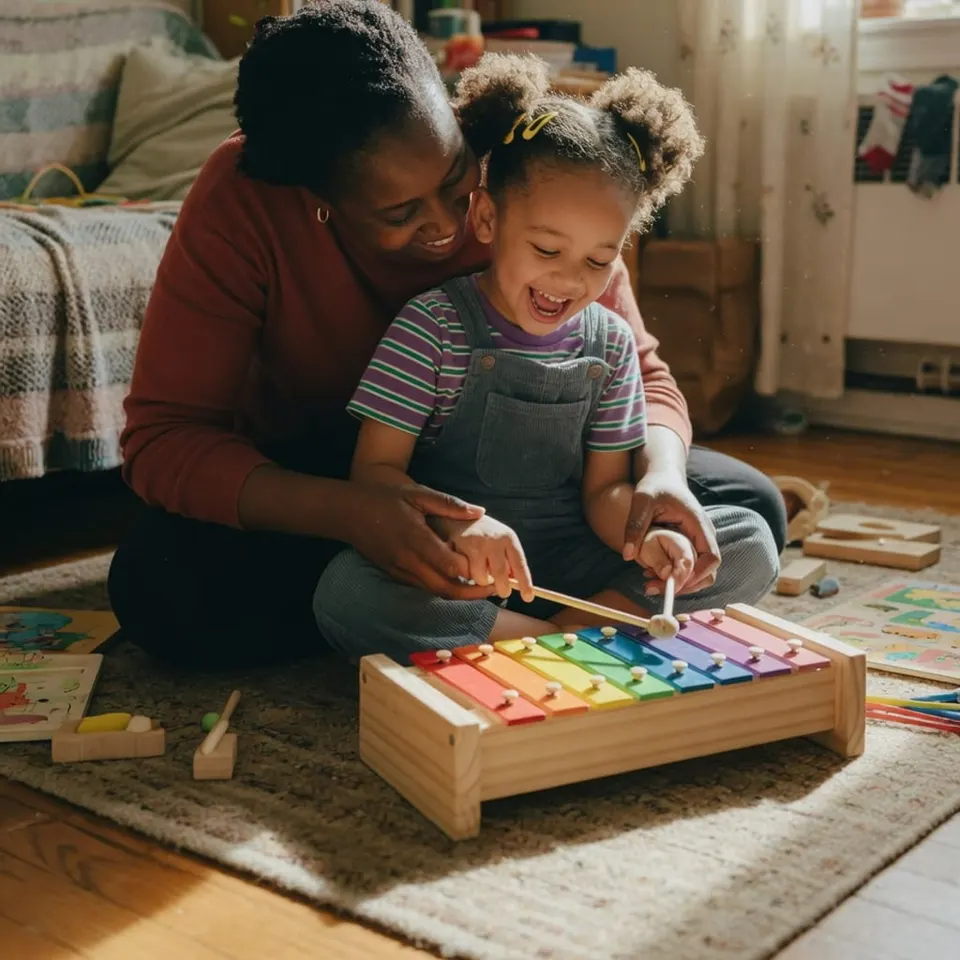
Sessions are usually 2-5 hours per week, with heavy parent involvement. The therapist or parent follows the child's lead, joins in their play, and gently introduces challenges-like pretending a toy is stuck-to encourage problem-solving. Training for parents is essential, as Floortime is meant to be integrated into daily routines.
Can You Combine ABA and Floortime?
Many families find that a blend of both approaches works best. For example, a child might receive ABA for building communication skills and Floortime for emotional connection. Some BCBAs also incorporate floortime principles in their sessions. If you're interested in an integrated approach, discuss it with providers during the selection process. A free matching service can help you find practitioners who are open to collaboration, though most ABA providers are trained in behavioral methods.
Costs and Insurance Coverage
ABA is widely covered under commercial insurance and many state Medicaid plans, especially for children under 3 in Early Intervention. The cost of ABA without insurance can be $20,000-$60,000 per year. Floortime is less frequently covered by insurance; out-of-pocket costs range from $75-$200 per hour. Some families use a combination of insurance-funded ABA and self-paid Floortime sessions. Before starting, always verify your benefits. Trusted ABA Therapy offers a free service to help families check insurance coverage for ABA and connect with providers who accept their plan.
How to Choose the Right Approach
There's no one-size-fits-all answer. Consider your child's strengths and challenges, your family's values, and the availability of qualified providers. You may want to try one therapy first and reassess after a few months. Many families start with ABA to address core deficits and later add Floortime for social-emotional growth. Speak with your pediatrician, early intervention coordinator, or a free matching service to get personalized recommendations.
Red Flags to Watch For
- ABA: Avoid any provider who uses punishment, is not transparent with data, or insists on a rigid number of hours without discussing your child's needs.
- Floortime: Avoid practitioners who lack formal training (e.g., DIR credential) or who promise quick fixes without parent involvement.
Remember, the best therapy is one that respects your child's individuality, involves you as a partner, and brings joy to the learning process. Whether you choose ABA, Floortime, or a combination, early and consistent support makes a difference. And if you need help finding a vetted BCBA-led provider or a certified Floortime practitioner, a free matching service can simplify your search.