ABA vs Speech Therapy First for a 2-Year-Old: A Parent's Guide
In short: For a 2-year-old with autism, starting ABA therapy first often helps build foundational learning and communication skills that then make speech therapy more effective. However, the best order depends on your child's specific strengths and challenges. A BCBA and SLP can work together to create an integrated plan. Trusted ABA Therapy can help you find vetted, BCBA-led providers that coordinate care.
Key takeaways
- ABA therapy focuses on building foundational skills like attention, imitation, and communication, which can accelerate speech therapy progress.
- Speech therapy targets specific verbal and non-verbal communication, but may be less effective if a child lacks basic learning-to-learn skills.
- Many children benefit from starting ABA first, with speech therapy added once they are ready to engage in structured communication practice.
- The best approach is individualized - consult with a BCBA and an SLP who can collaborate on your child's goals.
Understanding the Core Differences Between ABA and Speech Therapy
When your 2-year-old receives an autism diagnosis, you're suddenly faced with a world of therapy options. Two of the most common are Applied Behavior Analysis (ABA) and speech-language therapy. Both are evidence-based and can be life-changing, but they work in different ways.
ABA therapy is a scientific approach that uses principles of learning and motivation to teach a wide range of skills - from communication and social interaction to self-care and play. It's often led by a Board Certified Behavior Analyst (BCBA) and can be intensive (20-40 hours per week for young children). ABA breaks down skills into small, teachable steps and uses positive reinforcement to encourage progress.
Speech therapy, delivered by a licensed speech-language pathologist (SLP), focuses specifically on communication - verbal speech, sign language, AAC devices, and social communication. For a 2-year-old, it typically involves play-based activities to encourage sounds, words, and gestures.
While their goals overlap, their methods differ. ABA addresses the why and how of learning, while speech therapy targets the what of communication. That's why many families ask: Which should come first for my toddler?
🔗 Related reading: Waitlist for ABA in California Regional Center: What to Do · Local ABA Therapy
Why Starting with ABA Often Makes Sense for Toddlers
ABA Builds the Foundation for All Learning
For a 2-year-old, learning doesn't happen in isolated subjects - it's about developing the ability to learn at all. ABA excels at teaching "learning-to-learn" skills such as:
- Sitting and attending to an activity
- Following simple instructions
- Imitating actions and sounds
- Waiting and tolerating transitions
- Responding to their name
Without these foundational abilities, a child may not be able to engage meaningfully in speech therapy. An SLP can ask a child to "say ball," but if the child hasn't learned to attend, imitate, or understand that communication leads to reinforcement, progress can stall.
ABA Can Directly Teach Communication Skills
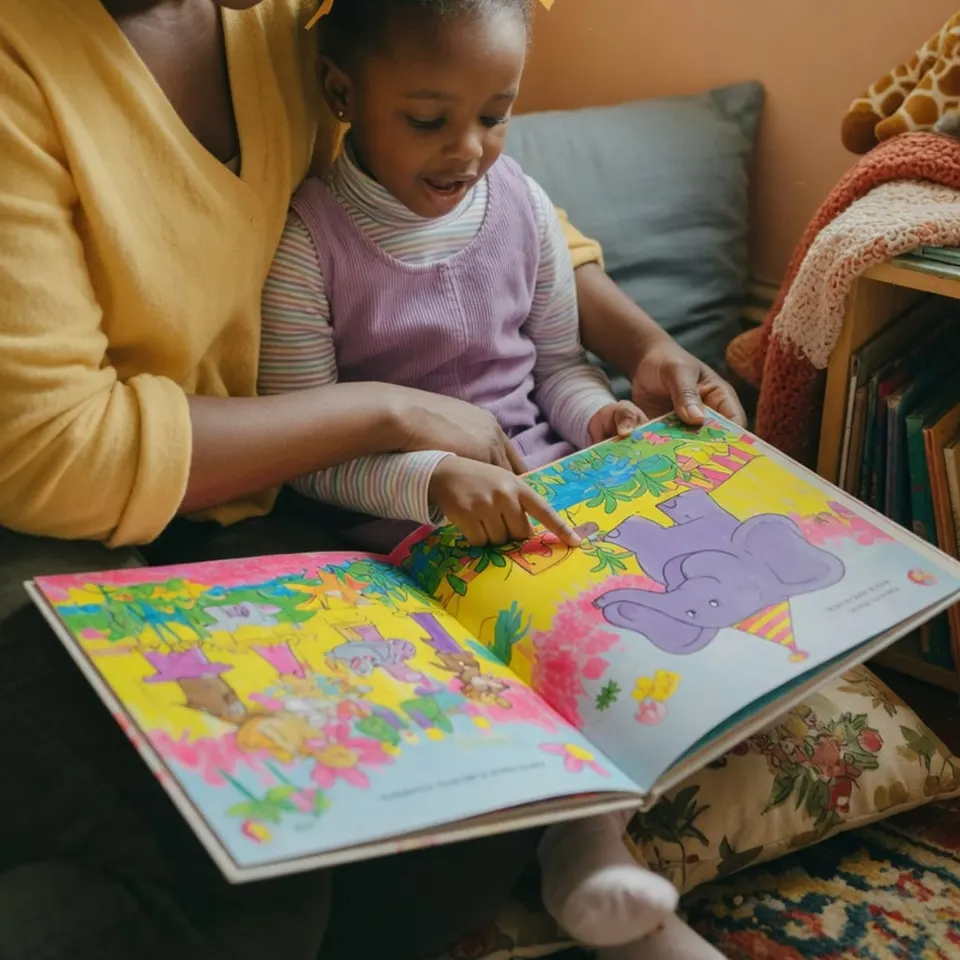
Modern ABA uses a sub-discipline called Verbal Behavior (VB), which teaches language as a functional behavior. For example, a toddler might learn to request a toy (mand), label a picture (tact), or repeat a word (echoic). These are the same targets found in speech therapy, but taught using ABA principles like reinforcement and prompting. Many BCBAs work closely with SLPs to align goals.
Because ABA is often more intensive and can be delivered across settings - home, daycare, community - it provides many more practice opportunities per day than a weekly speech session. That repetition is crucial for a 2-year-old's developing brain.
When Speech Therapy Should Come First
If Your Child Has an Isolated Speech Delay Without Autism
If your 2-year-old has a speech or language delay but does not have a diagnosis of autism or other developmental concerns, speech therapy alone may be sufficient. Speech-language pathologists are experts in early communication delays and can offer parent coaching and play-based strategies.
However, if your child does have autism, speech therapy alone may miss the broader behavioral and social challenges that can be better addressed by an integrated approach.
If Your Child Is Already Highly Engaged and Imitative
Some 2-year-olds with autism are naturally social and imitative - they copy sounds, attempt words, and engage with toys. In that case, starting with speech therapy to refine communication may be a logical first step. But even then, adding ABA can help expand those skills and address challenging behaviors (like tantrums or rigidity) that often accompany language delays.
🔗 Related reading: Autistic Child Screaming All Day? ABA Therapy Can Help · Nearby ABA Therapy
How to Decide What's Right for Your 2-Year-Old
The "right" answer depends entirely on your child's individual profile. Here's a practical framework:
- Observe your child's current skills: Can they sit with you for 1-2 minutes? Do they imitate sounds or actions? Do they point or gesture? If these are missing, ABA may be the better foundation.
- Consider co-occurring challenges: If your child has significant tantrums, self-injury, or severe difficulty with transitions, ABA can address those behaviors first, creating a calmer baseline for speech therapy.
- Talk to both a BCBA and an SLP: A comprehensive evaluation from both professionals can clarify which therapy to prioritize. Many clinics offer joint assessments.
- Don't wait for a perfect answer: Starting either therapy at age 2 is beneficial. The worst-case scenario is starting speech therapy, then adding ABA a few months later - most children will still make progress.
Trusted ABA Therapy is a free service that can match you with vetted, BCBA-led providers. Many of these providers collaborate with speech therapists, making it easier to get a coordinated plan.
Can You Do Both at the Same Time? Absolutely
Many 2-year-olds with autism receive both ABA and speech therapy simultaneously. The key is ensuring the two teams communicate. A BCBA can work with the SLP to incorporate speech goals into the ABA sessions - for example, practicing the word "more" during snack time, or using an AAC device during play.
Some ABA providers have SLPs on staff or contract with them, creating a seamless experience. If your child is enrolled in an early intervention program (often through state early intervention services or a local school district), your service coordinator can help coordinate providers.
Insurance coverage for both therapies varies. Many commercial plans and state Medicaid programs cover both ABA and speech therapy for autism. Trusted ABA Therapy can verify your benefits and connect you with providers who accept your insurance, including Medicaid.
What to Expect from Early Intervention for a 2-Year-Old
Early intervention services (birth to 3) are typically family-centered and play-based. Whether you start with ABA or speech therapy, expect regular parent coaching. Your role as the parent is essential - you'll learn strategies to use during daily routines like mealtime, bath time, and bedtime.
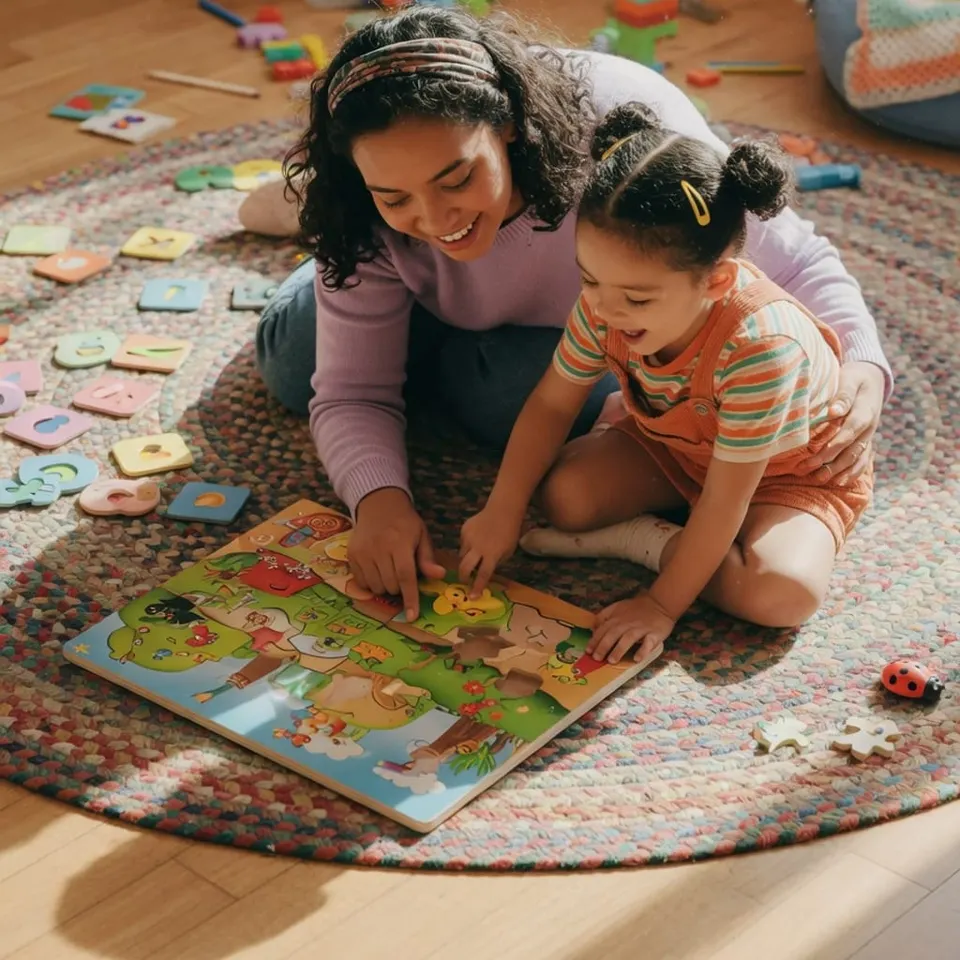
ABA sessions for a toddler might look like intensive play - the therapist follows the child's interest and uses natural reinforcement to teach requesting, labeling, and social turn-taking. Speech therapy for a 2-year-old often involves sitting on the floor with toys and building sounds, words, and joint attention.
Both should feel positive and supportive. If a therapy session leads to crying or distress, discuss this with the provider. A good BCBA or SLP will adapt their approach to respect the child's comfort and engagement.
Common Mistakes Parents Make (And How to Avoid Them)
- Waiting too long to start anything. "Let's wait and see" is common, but early intervention is proven to improve outcomes. Start as soon as you can, even if you're unsure which therapy is best.
- Choosing one over the other without professional guidance. A combined assessment from a BCBA and SLP is ideal. Some children need both, and the order matters.
- Assuming speech therapy will automatically teach behavior skills. SLPs are communication experts, not behavior specialists. For self-injury, aggression, or severe noncompliance, ABA is the evidence-based choice.
- Overlooking parent training. Both ABA and speech therapy should include parent involvement. You are your child's best teacher.
- Not coordinating between providers. If one therapist doesn't know what the other is working on, goals can conflict. Ask for regular communication or joint meetings.
Trusted ABA Therapy can help you find a provider that practices collaborative care, making coordination easier. We match families with BCBA-led clinics that understand the importance of working with SLPs.
Final Thoughts: Start Somewhere, Stay Flexible
The debate of ABA vs. speech therapy first for a 2-year-old doesn't have a one-size-fits-all answer. However, many experienced clinicians recommend beginning with ABA to build the foundational skills - attention, imitation, reinforcement history - that make speech therapy more effective. Children who start ABA first often "catch on" to speech therapy faster once it's introduced.
But every child is different. A child who already imitates and engages well might benefit from speech therapy immediately. The most important thing is to start some evidence-based intervention as early as possible, and to revisit the plan regularly as your child grows.
If you're feeling overwhelmed, you don't have to navigate this alone. Trusted ABA Therapy is a free service that can match you with vetted, BCBA-led providers in your area. We can help you find a team that will work with speech therapists, understand your insurance, and respect your family's values. Visit trustedabatherapy.com to get started.