Is ABA Therapy Traumatic for a 3 Year Old? Facts & Guidance

In short: When delivered by a trained BCBA using modern, child-led methods, ABA therapy for a 3-year-old is not inherently traumatic. It focuses on play, positive reinforcement, and building skills. However, it's crucial to choose a provider who respects your child's autonomy and avoids outdated practices. Our free service can connect you with vetted providers who prioritize ethical care.
Key takeaways
- Modern ABA emphasizes positive reinforcement and play, not punishment.
- Trauma risk comes from outdated or poorly implemented ABA, not best-practice therapy.
- Look for BCBAs who use child-led, naturalistic teaching methods.
- Parental involvement and collaboration with therapists reduce stress.
Understanding the Concern: Is ABA Traumatic for a 3 Year Old?
If you have a 3-year-old with autism, you have likely heard both praise and criticism of Applied Behavior Analysis (ABA) therapy. A growing number of autistic self-advocates and parents raise concerns about ABA being traumatic, especially for young children. This has left many families wondering: Is ABA therapy safe and appropriate for my 3-year-old? The short answer is that modern, ethical ABA is designed to be supportive, play-based, and child-led. But not all providers practice the same way, so it is essential to know what to look for.

🔗 Related reading: When Play Looks Different: How ABA Can Help · Local ABA Therapy
What Is ABA Therapy for a 3 Year Old?
ABA is a science-based approach that uses principles of learning and behavior to teach new skills and reduce challenging behaviors. For a 3-year-old, ABA typically looks like structured play, games, and natural routines. A Board Certified Behavior Analyst (BCBA) designs a program tailored to your child's unique needs, focusing on skills like communication, social interaction, daily living, and school readiness.
Core Components of Ethical ABA for Toddlers
- Positive reinforcement: Rewarding desired behaviors rather than punishing unwanted ones.
- Naturalistic teaching: Embedding learning into everyday activities and child-led play.
- Parent training: Teaching parents strategies to support growth at home.
- Data-driven decisions: Continuously measuring progress to ensure the child is comfortable and engaged.
When providers adhere to these principles, the risk of trauma is significantly reduced. Unfortunately, stories of trauma often come from outdated, rigid, or poorly supervised ABA. That is why it is vital to find a vetted BCBA-led provider who uses modern, compassionate methods. You can use our free matching service to connect with such providers in your area.
Why Some People Say ABA Is Traumatic
Claims of trauma often stem from past practices that focused on suppressing autistic behaviors (like stimming) through aversives or extreme repetition, without regard for the child's emotional state. Some adults who went through such programs as children describe lasting negative effects. Additionally, if a provider pushes a child beyond their comfort zone without proper support, even well-intentioned therapy can be stressful.
Recognizing Red Flags in ABA Providers
- Use of punishment or aversive techniques (e.g., ignoring, physical restraint).
- Forced eye contact or suppressing harmless self-stimulatory behavior.
- Long, rigid sessions with no breaks or child choice.
- Lack of parental involvement or ignoring your concerns.
If you see these signs, it may be time to look for a different provider. A free referral service like ours can help you find providers who follow best practices and prioritize your child's well-being.

🔗 Related reading: Tennessee Autism Resources & Support Guide · Nearby ABA Therapy
How Modern ABA Works for a 3 Year Old - Play, Connection, and Progress
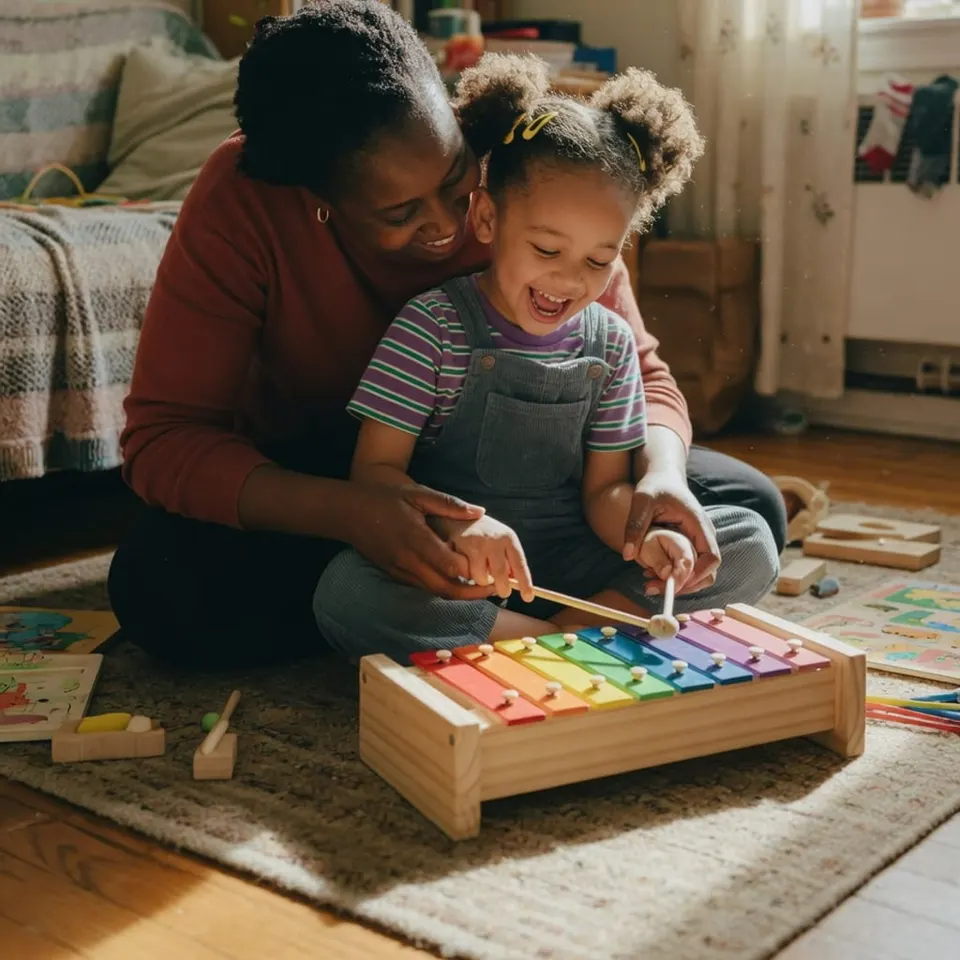
Today's best-practice ABA for a 3-year-old looks very different from stereotype. A typical session might involve the therapist following your child's lead during toy play, modeling language, and celebrating small successes. The therapist uses natural reinforcement like praise, tickles, or access to a favorite toy. The goal is to make learning fun and to build a trusting relationship.
What a Typical ABA Session for a 3 Year Old Might Include
- Arrival: The therapist greets your child warmly and follows their lead.
- Structured play: Short activities targeting goals like requesting, imitating, or sharing.
- Snack time: Teaching communication and self-care skills.
- Parent coaching: The BCBA shares strategies and discusses progress.
At this age, sessions are often short (1-3 hours) and involve many breaks. The therapist should respect your child's need for movement, sensory input, and autonomy. If you ever feel your child is distressed, speak up. A good provider will adjust techniques immediately.
How to Choose an ABA Provider That Prioritizes Your Child's Emotional Safety
Finding ethical ABA requires research. Start by asking providers about their philosophy, use of reinforcement, and how they handle resistance. A reputable BCBA will explain their methods and invite your feedback. Look for providers who are transparent about data collection and session footage (with consent).
Questions to Ask a Potential ABA Provider
- How do you ensure my child remains comfortable and engaged?
- What happens if my child is upset or refuses a task?
- Do you use any punishment-based procedures? (The answer should be a firm no.)
- How do you involve parents in therapy decisions?
Our free matching service screens providers for these standards, so you can feel confident in the options we present. We work with BCBA-led clinics that value compassionate, evidence-based care.
Cost, Insurance, and Accessibility of ABA for 3 Year Olds
ABA therapy can be expensive, but insurance coverage is widely available. Many private insurance plans cover ABA for autism, and Medicaid often covers it as well, especially through early intervention programs. Some states also offer funding through developmental disabilities agencies.
Before starting therapy, verify with a provider which insurance plans they accept. Our matching specialists can help you find providers that work with your specific plan, including Medicaid. We are a free service, so you pay nothing to get connected - the provider invoices your insurance directly.
Practical Tips for a Positive ABA Experience with Your 3 Year Old
Your role as a parent is crucial. You know your child best. Here are some ways to support a positive therapy experience:
- Interview multiple providers before choosing one. Trust your gut.
- Observe sessions regularly, either in person or via video.
- Communicate openly with the BCBA about what works and what doesn't.
- Advocate for breaks and child-led choices.
- Celebrate small wins and focus on your child's unique strengths.
If your child seems distressed or unhappy over several sessions, pause and reassess. Ethical providers will work with you to modify the approach. Our free service can also help you switch to a different provider if needed.
Getting Connected with Trusted ABA Therapy Providers
You do not have to navigate this journey alone. Trusted ABA Therapy is a free service that matches families with vetted, BCBA-led ABA providers in your area. We understand the weight of this decision and are here to help you find ethical, child-centered care. Simply fill out a short form, and we will connect you with providers who meet our high standards for quality and compassion. Whether you are just starting your search or want to compare options, let us help you take the next step with confidence.